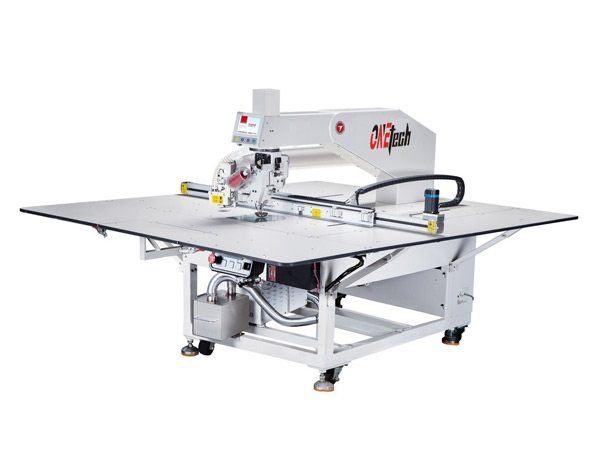
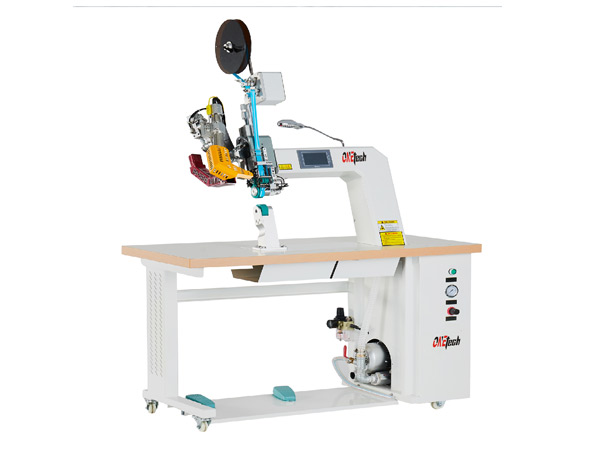
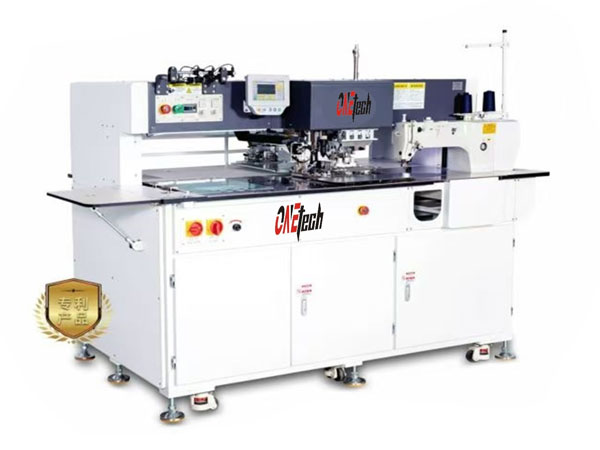
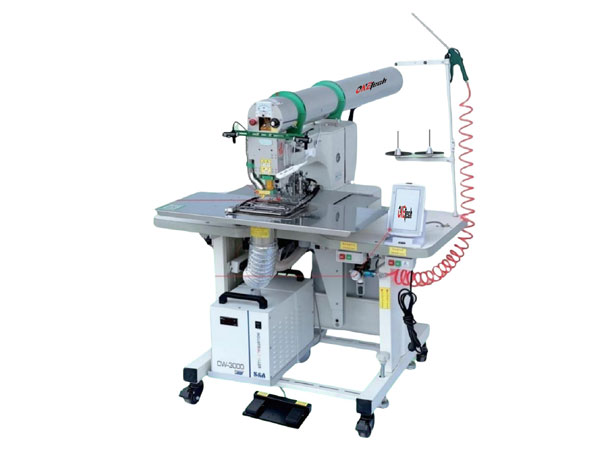
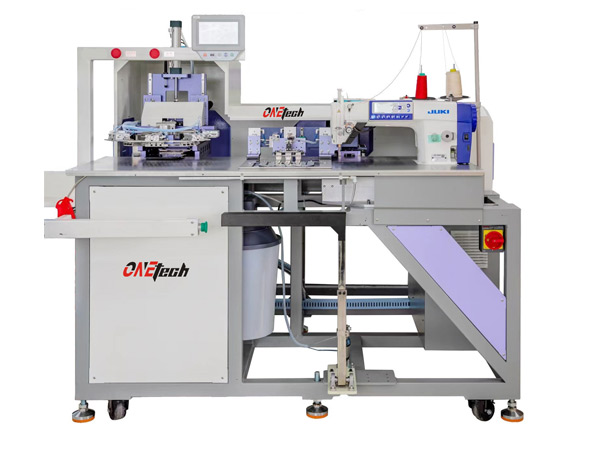
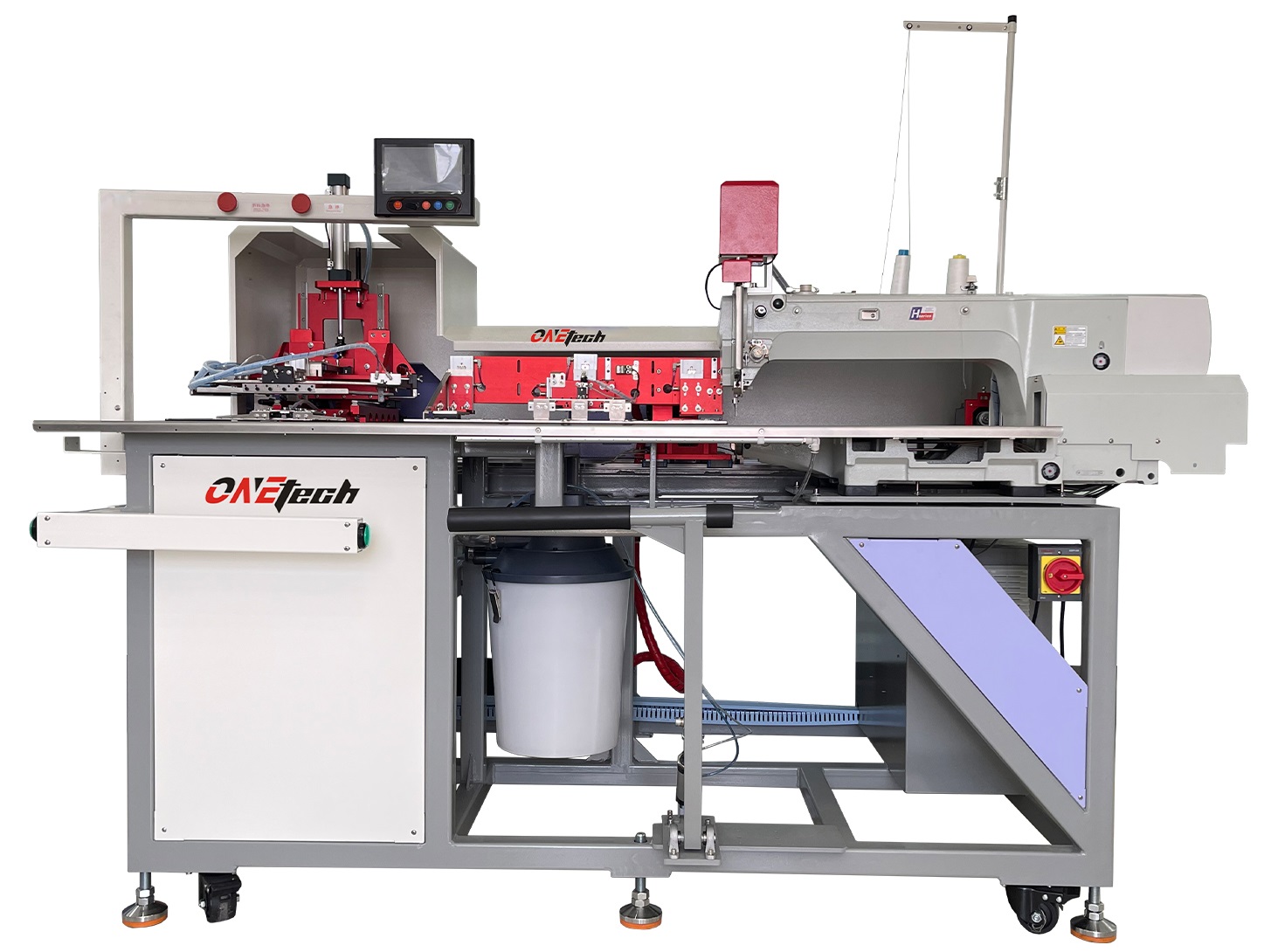
The global sewing machine equipment industry is undergoing a profound digital and intelligent transformation, driven by the booming textile and apparel manufacturing sector, evolving consumer customization demands, and advanced industrial technology. From traditional mechanical sewing devices to fully automated, AI-powered intelligent sewing systems, modern sewing equipment has completely reshaped the production logic of the garment, leather, footwear, and home textile industries, becoming a core pillar of high-efficiency and high-quality manufacturing in the global textile supply chain.
In recent years, the market demand for upgraded sewing equipment has maintained steady growth. Industry data shows that the global sewing machine market size is expanding at a compound annual growth rate of over 6%, and is expected to reach USD 6.42 billion by 2033. Against the backdrop of global manufacturing restructuring and near-shoring production trends, manufacturers are increasingly favoring flexible, low-error, and highly adaptable industrial sewing machines, replacing traditional labor-intensive mechanical equipment at an accelerated pace.
Intelligent digital upgrading has become the core development direction of modern sewing machine equipment. Traditional sewing equipment relies heavily on manual operation and experience, with high error rates, limited production efficiency, and poor adaptability to multi-variety, small-batch customized orders. In contrast, new-generation industrial sewing machines integrate intelligent core technologies including automatic thread tension adjustment, intelligent pattern optimization, one-key pattern switching, and automatic bobbin winding. Equipped with high-definition touch screens, USB and Wi-Fi connectivity functions, these devices support offline pattern storage and online program upgrading, greatly simplifying operational processes.
AI-enabled sewing technology has brought revolutionary improvements to production efficiency and product quality. Advanced intelligent sewing systems can reduce stitching errors by more than 30%, effectively solving common problems such as uneven stitching and thread breakage in traditional production. Meanwhile, the intelligent operation mode greatly lowers the threshold for employee training, shortening the training cycle of new operators from several months to a few hours, helping enterprises significantly reduce labor costs and improve production consistency.
In terms of application scenarios, modern sewing machine equipment continues to expand its coverage. Beyond traditional apparel manufacturing, heavy-duty and specialized sewing equipment is widely used in leather products, luggage, automotive interior textiles, outdoor sports supplies, and other fields. Customized intelligent sewing solutions for different materials such as thick fabrics, elastic fabrics, and leather meet the diversified and refined production needs of various industries, breaking the limitations of single-function traditional sewing machines.
Green production and energy-saving optimization have also become important iteration standards for sewing equipment. New-generation sewing machines adopt optimized motor drive systems and mechanical structures, which effectively reduce energy consumption, noise and equipment wear during operation. While improving continuous production stability, they help manufacturing enterprises meet global environmental protection production standards and achieve sustainable and low-carbon production development.
Looking ahead, with the in-depth integration of industrial internet, artificial intelligence and manufacturing technology, sewing machine equipment will further develop towards full intelligence, full automation and industrial ecological integration. Future intelligent sewing systems will realize seamless connection with production management systems, achieving intelligent scheduling, real-time fault monitoring and production data visualization, helping global textile and garment manufacturing enterprises complete digital transformation and enhance core market competitiveness.